Time-Efficient Structure
Each guide breaks a session into warm-up (3 min), main work (12–15 min), and cooldown (2 min) so you always know where you are in the clock.

You do not need a gym membership or a spare room full of gear. These free educational guides describe short, structured sessions that may suit real Australian living — apartment floors, back patios, and busy weekday schedules. Content is for general information only; outcomes vary by individual.
About Us Explore the Guides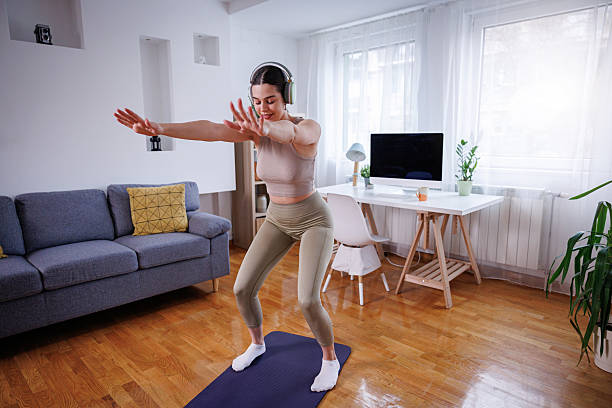
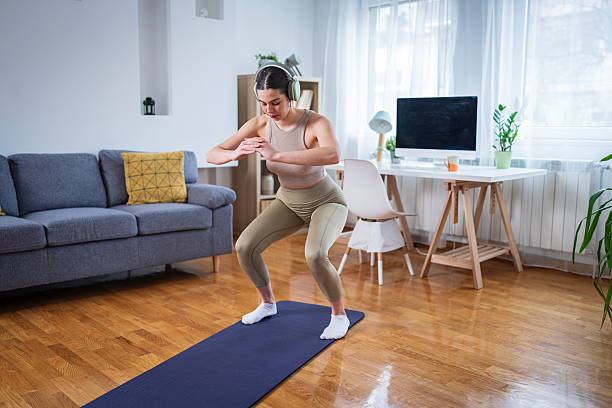
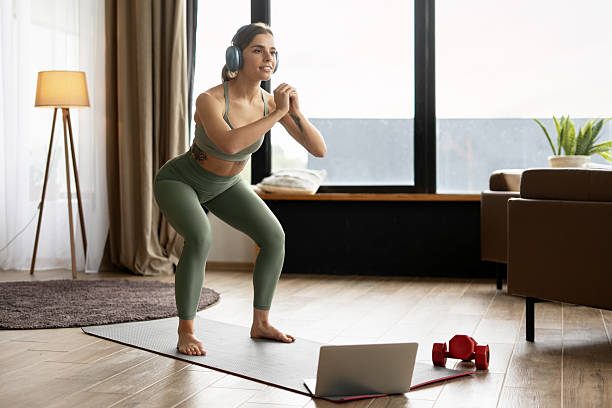
Many people find that shorter, repeatable sessions are easier to maintain than long, ambitious plans that are hard to start. A focused fifteen-to-twenty-minute block can include time to warm up, work major muscle groups, and cool down without dominating your day. The key is structure: a brief warm-up, a main block with clear sets or intervals, and two minutes of breathing or stretching at the end.
Think of these sessions as manageable movement blocks rather than marathon training. You are building a habit loop — same time slot, same rough format, gradual additions — rather than relying on a single exhausting workout. General exercise guidance often notes that consistency over weeks may matter more than intensity on any one day for habit formation. When you know what comes next, you spend less time deciding and more time moving.
Each guide breaks a session into warm-up (3 min), main work (12–15 min), and cooldown (2 min) so you always know where you are in the clock.
Using the same session skeleton daily reduces decision fatigue. Swap exercises within the format rather than reinventing the workout every morning.
Log reps, hold times, or rest intervals week to week. Small adjustments — one extra push-up or a slightly shorter rest — help you monitor your own practice over time.
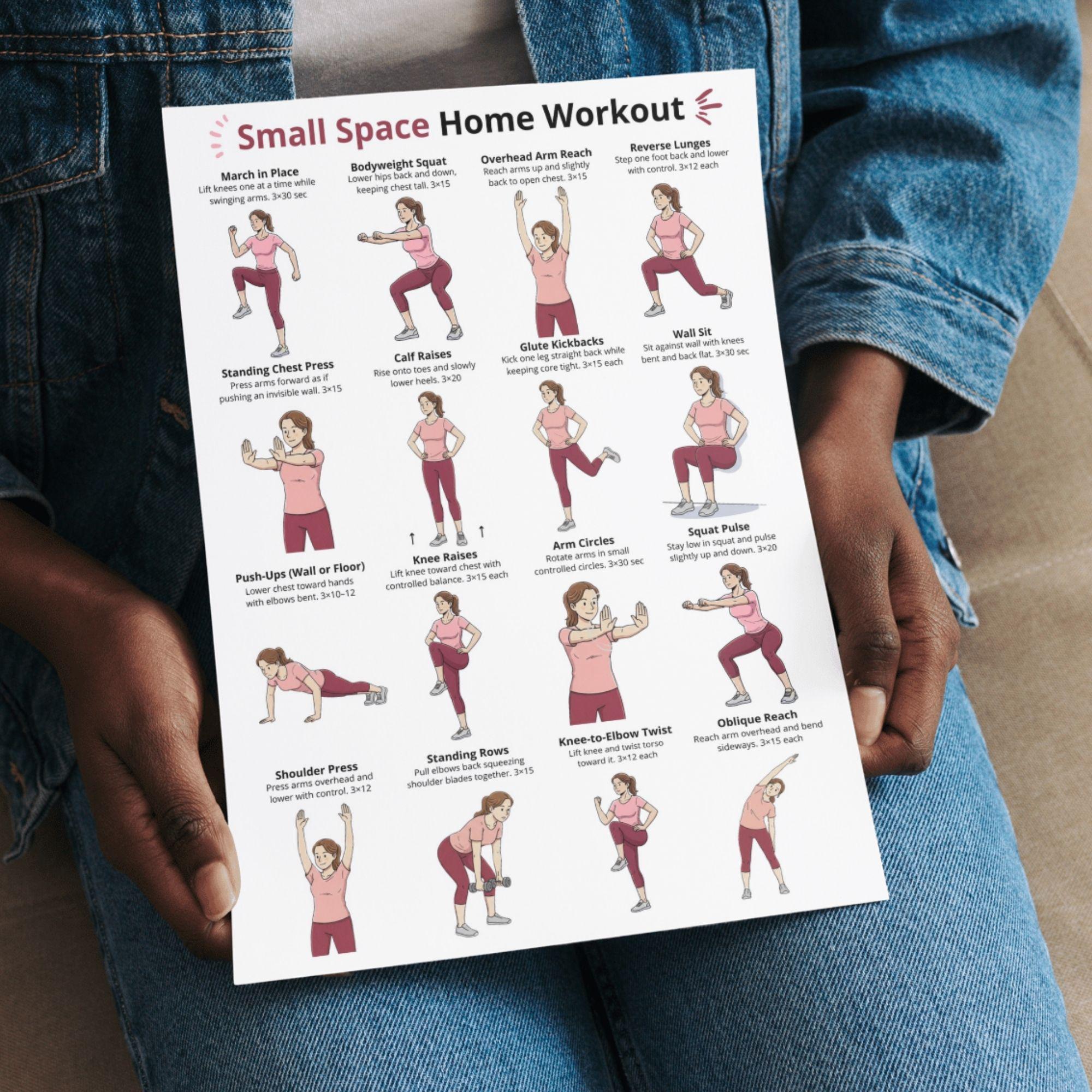
Accessibility starts with removing barriers. Bodyweight exercises use gravity and your own mass as resistance — squats, lunges, push-up variations, glute bridges, and plank holds need nothing beyond a floor area roughly the size of a yoga mat. If you have a wall, you can add wall sits and incline push-ups. A sturdy chair opens seated leg extensions and tricep dips.
Space-wise, clear a two-by-two-metre patch in your lounge, balcony, or bedroom. In general exercise practice, controlled tempo and comfortable range of motion often matter more than specialised machines. Keep furniture edges clear, wear flat shoes or go barefoot on carpet, and use a towel for knee cushioning. These small adjustments can suit apartment living in Fitzroy or a suburban house in Brisbane.
Your body responds differently across the day, but the best time to train is the time you will actually show up. Morning sessions can pair light mobility with breath work to ease into the day — think cat-cow stretches, hip circles, and two rounds of bodyweight squats before breakfast. Afternoon blocks suit slightly higher intensity: circuit intervals when energy peaks after lunch. Evening routines favour calming sequences — slower lunges, hamstring stretches, and box breathing to transition away from screen time.
Circadian rhythm research notes that core temperature and joint stiffness vary, so adjust warm-up length rather than skipping movement altogether. A five-minute dynamic warm-up in the morning may become three minutes by mid-afternoon when you feel looser. Keep a simple log: note the time, energy level, and which exercises felt smooth. Over two weeks, patterns emerge and you can anchor your favourite session to a realistic slot.
A balanced home routine can rotate through four movement types. Strength work may include push-ups, rows using a table edge, squats, and deadlift patterns with no weight. Cardio can raise heart rate through marching intervals, low-impact jacks, step-ups on a stable stair, or dance-style sequences in place. Stretching can maintain range of motion — hip flexor lunges, thoracic rotations, and calf stretches held for twenty to thirty seconds. Breathing practices using diaphragmatic breath and extended exhales may support recovery and focus between sets.
A sample week might look like: Monday strength, Tuesday cardio, Wednesday stretch and breath, Thursday strength variation, Friday cardio, weekend optional gentle mobility. Each pillar has dedicated guides on this site with exercise descriptions, rep ranges, and form cues written in plain language so you know exactly how to set up each movement.
3 sets of 8–12 reps: squats, push-up variations, glute bridges, and plank shoulder taps.
30 seconds on / 30 seconds off for 8 rounds: high knees, step-ups, skater hops, or shadow boxing.
Hold each stretch 20–30 sec: hip flexors, hamstrings, chest doorway stretch, seated spinal twist.
4-count inhale, 6-count exhale for 10 cycles; add box breathing (4-4-4-4) post-workout.
Progressive overload at home does not require heavier dumbbells. You can add reps, slow the eccentric phase, shorten rest periods, or choose a harder variation — knee push-ups to full push-ups, bodyweight squats to split squats. Start with a baseline week where every exercise feels manageable at a moderate effort level. Week two adds one or two reps per set. Week three introduces a new variation for one exercise. Week four consolidates — same structure, slightly faster transitions.
Many training plans include a lighter week every fourth cycle by reducing volume while keeping movement quality high. Write your numbers in a notebook or phone notes. When you can complete three sets of fifteen squats with comfortable form, you might progress to pause squats or add a pulse at the bottom. Small, documented steps can keep sessions varied without overwhelming your calendar. Individual progress differs.
Learn form, record starting reps, establish your preferred time slot.
Add 1–2 reps per set or one extra round in circuit sessions.
Swap one exercise for a harder progression — incline to flat push-ups, for example.
Reduce total reps by twenty percent; focus on tempo and breathing quality.
Use this interactive checklist each day to track the habits that support your short workouts. Items reset at midnight local time so you start fresh tomorrow. Tick boxes as you complete each task — progress saves automatically in your browser.
Before starting any new movement routine, consider your current fitness level and speak with a qualified health professional if you have concerns about exercising. Stop immediately if you feel sharp pain, dizziness, or unusual shortness of breath. Warm up every session, wear appropriate footwear on slippery surfaces, and keep your workout area free of tripping hazards.
Stay hydrated throughout the day, not only during exercise. In Australian summers, train in cooler hours and use fans or open windows for airflow. Modify exercises when needed — knee push-ups instead of full push-ups, shallow squats instead of deep ones. This site shares general lifestyle information only; it does not replace personalised guidance from accredited exercise physiologists, physiotherapists, or other qualified professionals. We do not sell products or promise specific outcomes.
Join our suggested monthly focus themes to keep your home practice structured. These are self-guided themes — move at your own pace and adapt exercises to your space and schedule.
July 2026
Master squat, push-up, and plank form. Log baseline reps daily.
August 2026
Twice-weekly interval sessions with low-impact options for shared floors.
September 2026
Daily stretch holds plus five-minute breathing blocks after each session.
October 2026
Introduce harder exercise variations and track weekly rep totals.